

Cricket experience aims to improve his professional playing level. Cricket is a game that requires a seamless combination of physical endurance, skillful individual technique, and tactical thinking on the field. The CK33 article shares from the sport’s history to competition experience and top-level playing secrets to help you master the game.
Cricket experience and the sport’s biography
Cricket experience is a culmination of the long developmental history of the sport originating from England around the 16th century. Initially, it was just a folk game for children in Southeast England, then it quickly spread and became a national sport highly favored by the upper class.
Over centuries, Cricket has expanded beyond the misty isle to reach a global scale, becoming the second most popular sport worldwide. The development of this game is linked to the establishment of the International Cricket Council (ICC) and professional competition systems ranging from traditional Test Cricket matches to fast-paced T20 leagues.
- International name: Cricket
- Origin: England (16th century)
- Highest governing body: ICC (International Cricket Council)
- Main equipment: Cricket Bat, Cricket Ball, (Wickets/Stumps)
- Number of players: 11 per team on the field
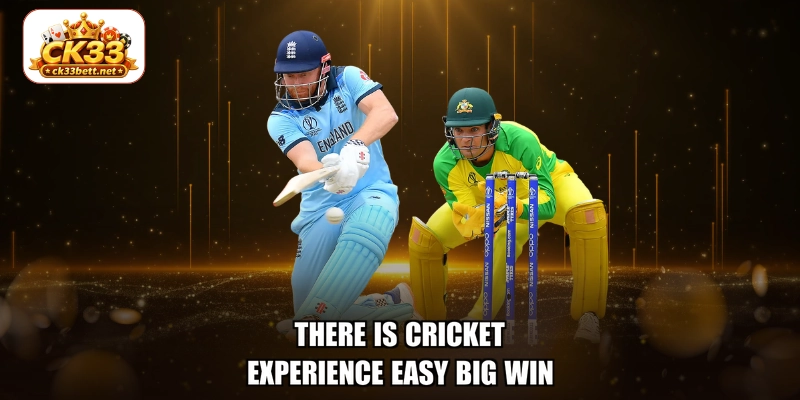
Cricket experience career development in competitive play
Experience of every professional athlete goes through a journey of persistent training from initial familiarization to reaching the peak of their career. This development process is divided into the following key stages.
Starting with grassroots tournaments and youth academies
The early stage for a batsman or bowler, Cricket experience begins at youth training academies or local clubs. At this stage, players focus on fundamental skills such as stance, grip, and ball trajectory observation. The initial training environment helps shape the player’s specialized position as Batsman, Bowler, or All-rounder.
Maturing through domestic tournaments and professional clubs
Once basic techniques are mastered, athletes advance to compete in national championships and the First-class Cricket league system. This is a period of extremely rigorous testing of competitive psychology and physical fitness. Facing various bowling styles helps players develop quick reflexes, experience building solid tactical composure on the field.
Peak glory in international tournaments and T20 arenas
The pinnacle of a player’s career is to represent their national team in the ICC Cricket World Cup or compete in major commercial leagues like the IPL (Indian Premier League). In these arenas, real-game experience, match reading ability, and composure in decisive moments are the factors that distinguish a good player from a legend.
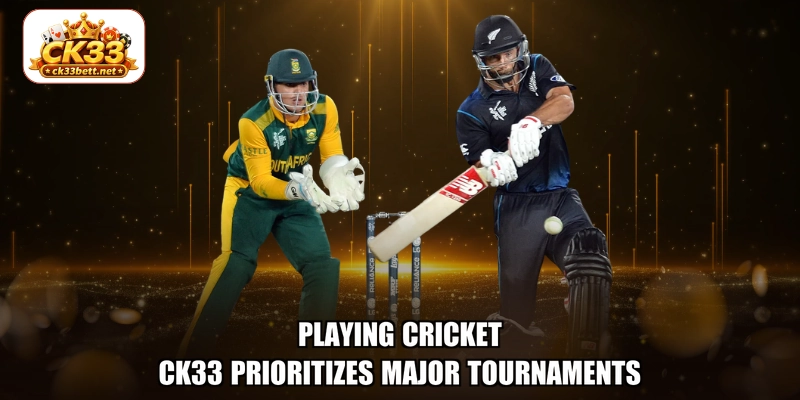
Cricket experience and analysis of player positions
Cricket experience requires participants to clearly understand the unique playstyle of each position on the field. Harmonious coordination between links creates overall strength for the entire team.
| Playing position | Core role | Technical requirements & Characteristic playstyle |
| Batsman | Score Runs for the home team | Observation skills, accurate batting reflexes, and choosing difficult hitting angles. |
| Bowler | Dismiss opposing players (Wicket) | Control the speed, spin, and bounce of the ball to challenge the Batsman. |
| Wicket-keeper | Catch behind the wicket | Extremely fast reflexes, experience requires skillful hands and the ability to communicate and direct the defense. |
| Fielder | Prevent opponents from scoring | Good movement speed, accurate throwing skills to the Pitch area. |
Cricket experience, tips and advanced skills
To help you progress quickly and master the game, the section below details practical experience, small tips, and advanced skills specifically for each role on the field. Each position has its own characteristics, so mastering movement, coordination, and situation handling will help you maximize your effectiveness when competing.
Skills and tips for Batsman
The batting position requires high concentration and split-second decision-making: Keep your feet shoulder-width apart, knees slightly bent, and shoulders aligned with the bowler’s arm. Cricket experience keep your eyes level and focus absolutely on the ball from the moment it leaves the Bowler’s hand.
- Timing technique: Don’t try to use too much arm strength; utilize hip rotation and transfer your body weight from your back leg to your front leg to generate explosive hitting power.
- Read the pitch tip: Observe the bounce on the pitch. If the ball bounces short (Short ball), step back with your back foot to execute a Pull shot; if it bounces full (Full pitch), step forward with your front foot to execute a precise Drive.
- Wicket protection skill: The Batsman’s top priority is not to get out. When facing extremely difficult deliveries, use a defensive shot to block the ball instead of trying to hit it hard.

Skills and tips for Bowler
The bowler is the one who actively creates the game and dismisses opponents with varied deliveries. To maximize their advantage, bowlers need to maintain accuracy, observe the defense, and flexibly change direction to create unexpected plays.
- Fast Bowling tactic: Utilize a smooth Cricket experience run-up and keep your wrist straight when releasing the ball. The goal is to create deliveries that hit the Batsman’s feet (Yorker) or bounce high at chest level (Bouncer).
- Spin Bowling secret: Use finger or wrist spin to impart rotation on the ball as it bounces. Continuously change the ball’s bounce point to make it unpredictable for the Batsman.
- Ball concealment tip during run-up: Always use your other hand to cover the ball throughout the run-up so the opposing Batsman cannot see how you are holding the seam of the ball, thus creating absolute surprise.
Cricket experience Fielding & Wicket-keeping
Good catching and fielding will help the team save valuable runs. Therefore, players need to train their judgment, quick reflexes, and smooth coordination to minimize the opponent’s scoring opportunities.
- Soft hands catching technique: When catching fast-moving or high balls, relax your wrists and pull your hands back with the ball’s momentum to reduce impact and avoid dropping the ball.
- Tip for returning the ball to the pitch: Always throw low, directly towards the Wicket-keeper or Bowler so they can easily perform the action of dislodging the bails to dismiss the opponent (Run-out).
- On-field communication skill: Fielders need to constantly remind each other of their positions and communicate the ball’s direction to avoid two players colliding when going for the same catch.
Conclusion
Cricket experience is the culmination of persistent physical training, honing accurate hitting and throwing techniques, and accumulating tactical thinking through each match. Whether you play as a hitter, thrower, or defender, mastering practical tips will help you stay confident and make the most accurate decisions on the field. Persistently practice basic skills, observe opponents keenly, and immediately apply the above secrets to gradually improve your Cricket CK33 playing level.
